Before the Soviet Union even existed, Russian engineers were already experimenting with armored warfare. These early machines were crude, ambitious, and often impractical, but they laid the psychological groundwork for Russia’s future obsession with heavy armor. In this Article we will explore every Russian tank since 1900. So we first start from the Soviet tank.
The Vezdekhod of 1915 was one of the earliest tracked vehicle concepts in Russia.
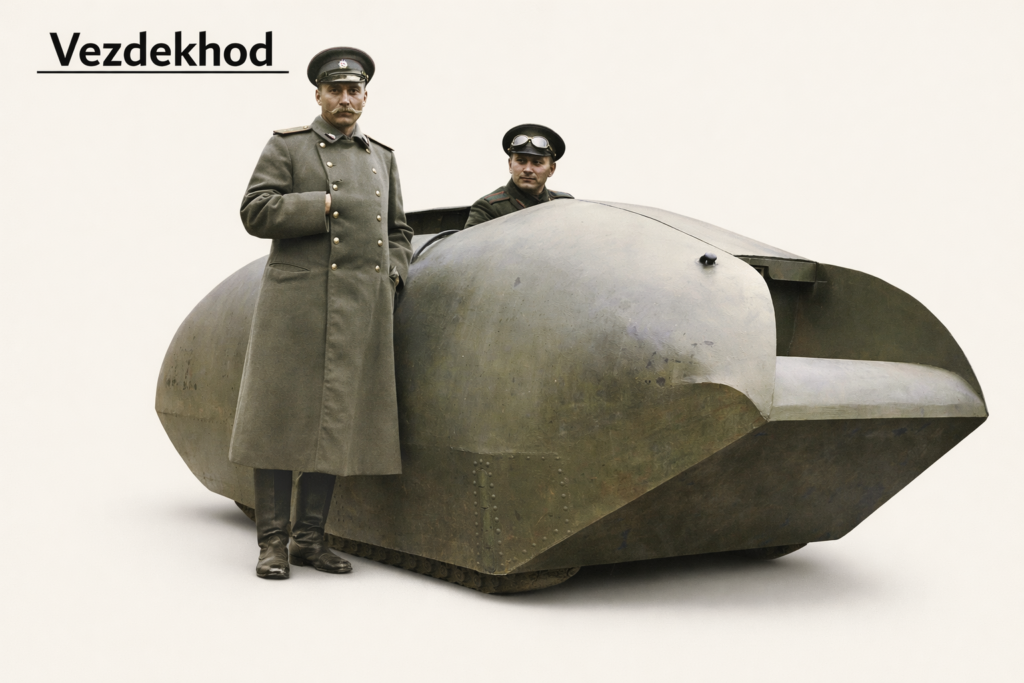
Small, lightly armored, and powered by a weak engine, it was closer to an armored tractor than a tank, but it proved that tracked vehicles could traverse rough terrain better than wheeled designs.
The most infamous design was the Tsar Tank, also known as the Lebedenko Tank.
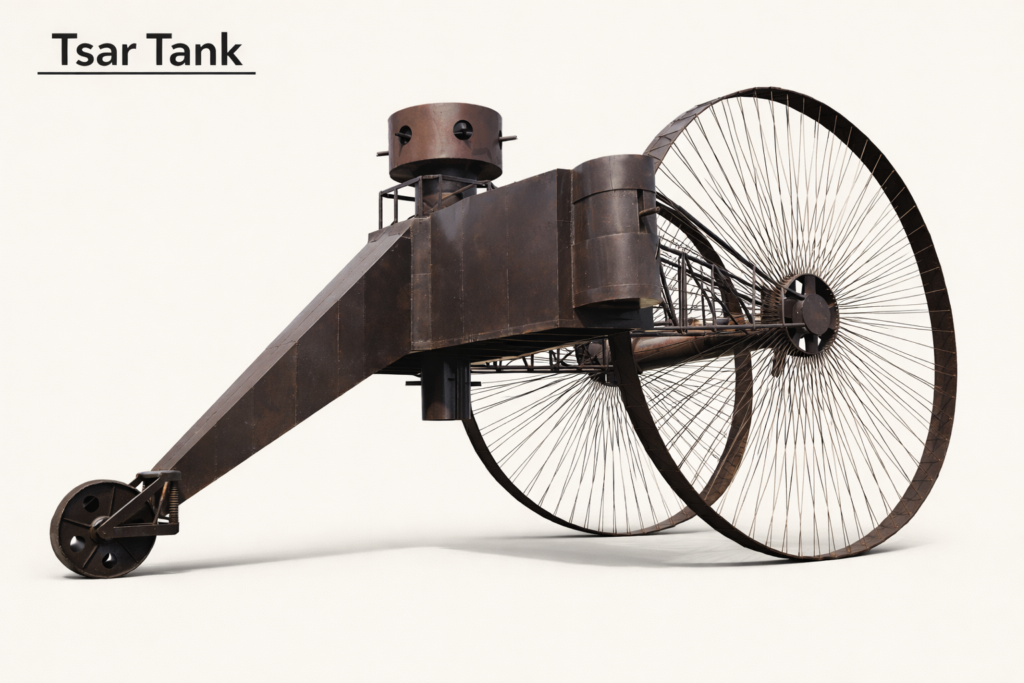
Built in 1915, it featured massive front wheels over nine meters tall and a small rear roller. The idea was to simply roll over obstacles, but during testing it became stuck in soft ground and was abandoned. It never entered service, but it remains one of the strangest armored vehicles ever built. It was the tallest Russian tank ever built.
The Mendeleev Tank, designed in 1916, existed only on paper.
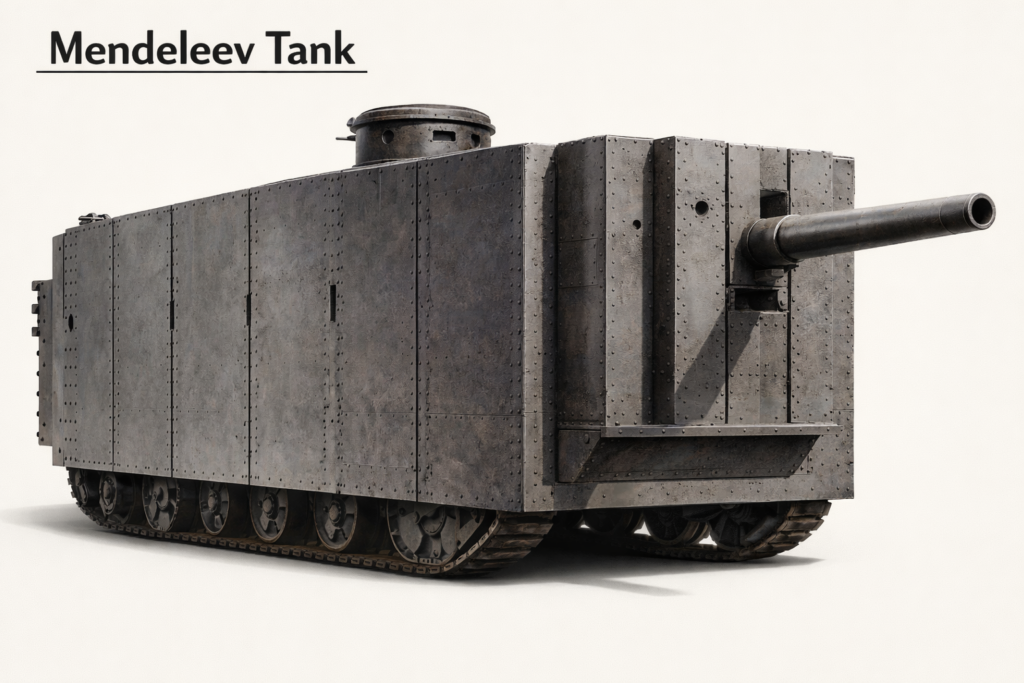
It was an advanced concept for its time, proposing heavy armor, a naval-style gun, and even adjustable suspension. Although never built, it showed that Russian designers were already thinking about heavily protected breakthrough tanks.
Early Soviet Era & Interwar Period (1920s–1930s)
After the revolution, the Soviet Union rushed to build a modern armored force. During this period, Soviet tank design exploded in every direction, from tiny tankettes to massive multi-turret monsters.
Light Tanks
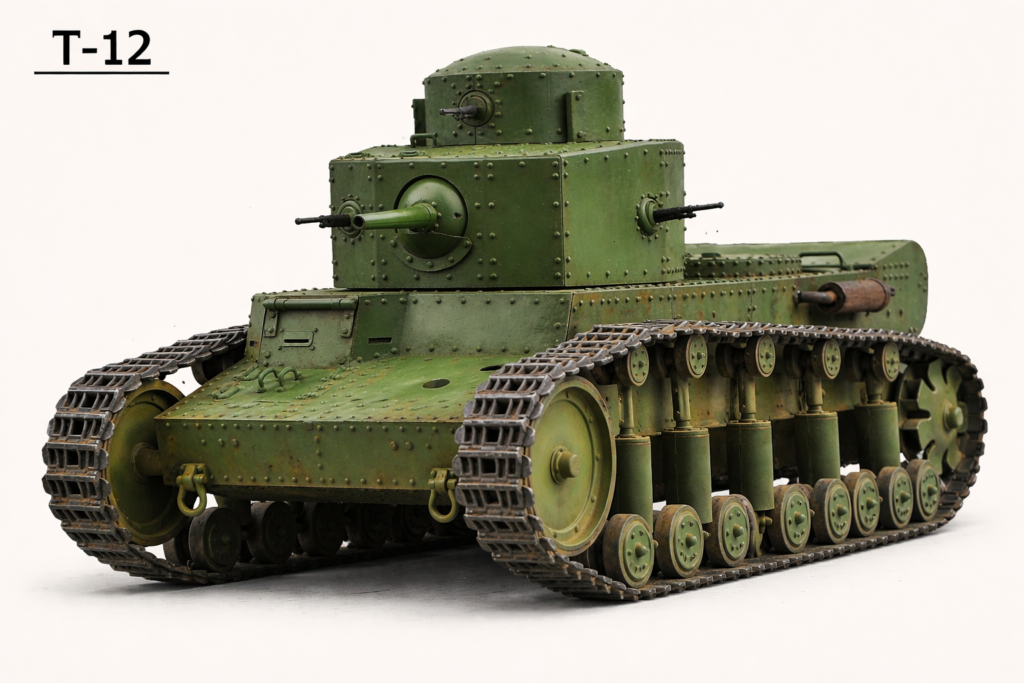
The T-12 was an early attempt at a domestically designed light tank. It suffered from mechanical issues and poor mobility, but it helped Soviet engineers gain experience.
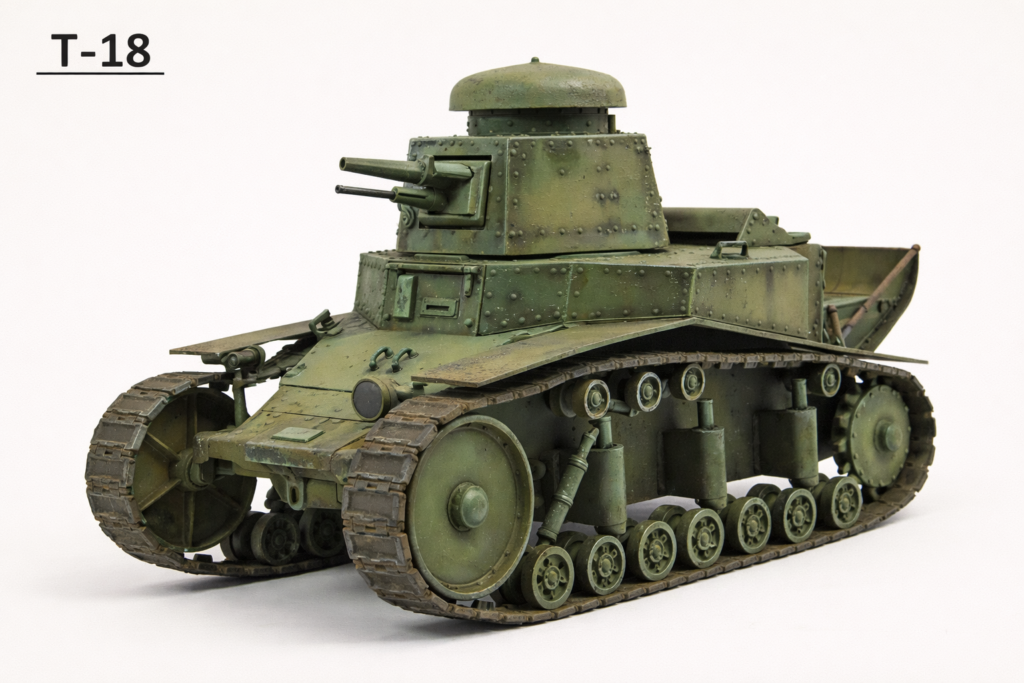
The T-18, also called the MS-1, became the first true mass-produced Soviet tank. Lightly armored and armed with a small gun, it served mainly as a training and infantry-support vehicle, marking the real beginning of Soviet tank production.
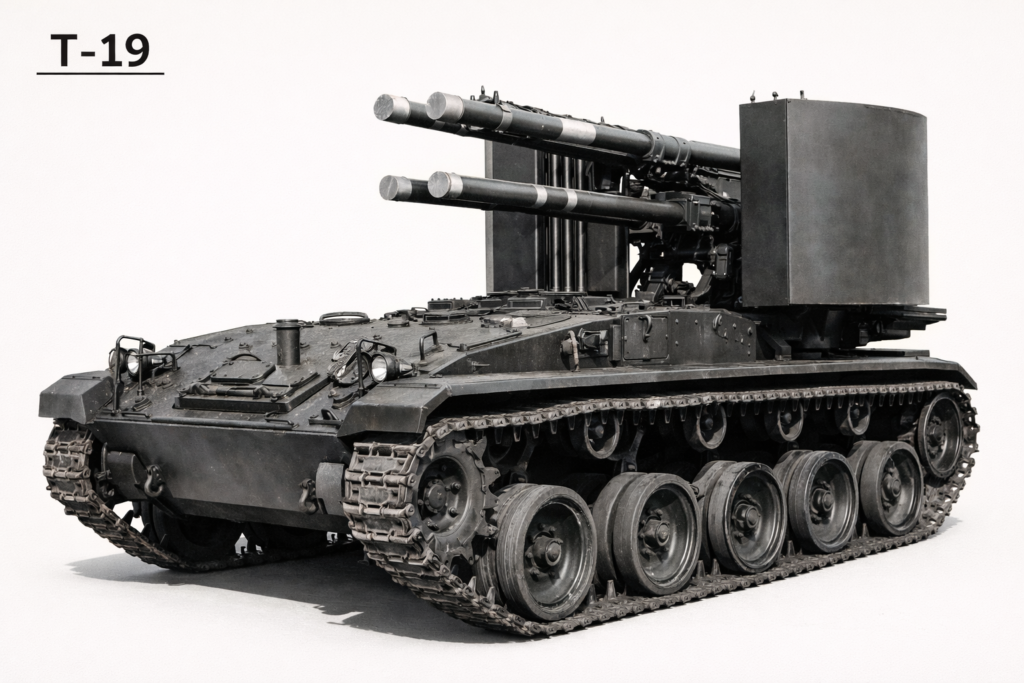
The T-19 was an experimental improvement over the T-18, but reliability issues prevented full adoption.
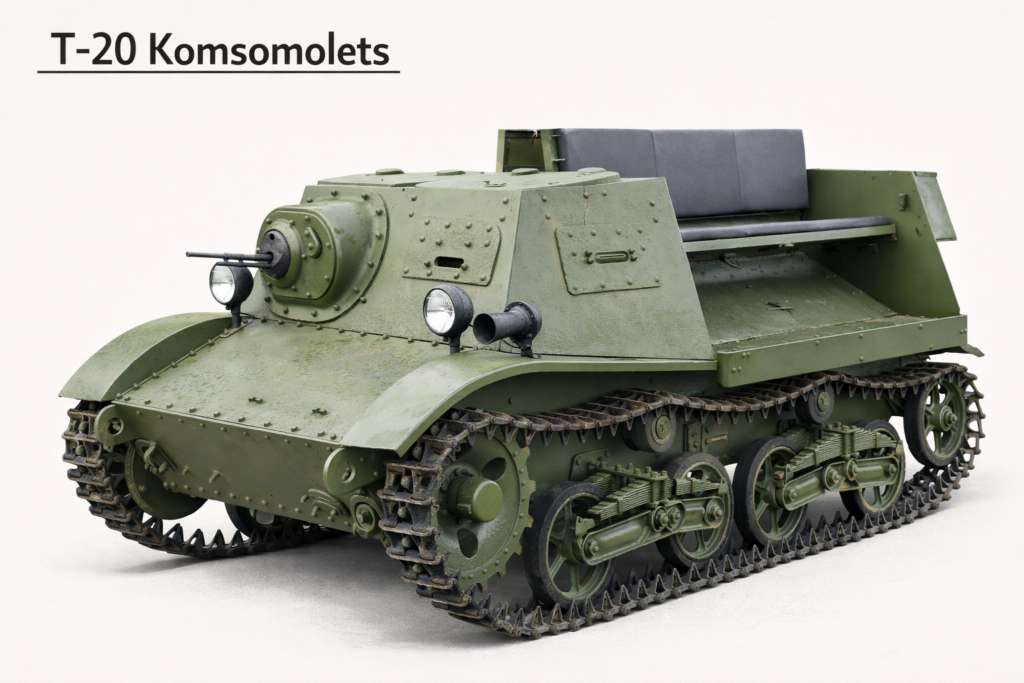
The T-20 Komsomolets was not a true tank but a tankette and artillery tractor. Lightly armored and armed with a machine gun, it was widely used to tow anti-tank guns in the late 1930s.
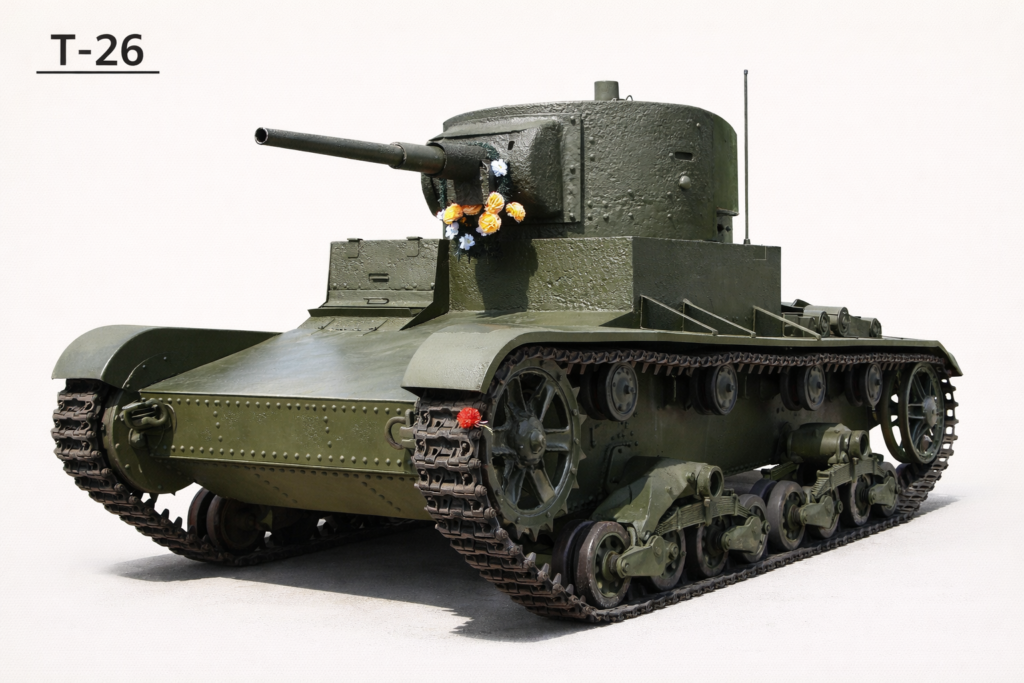
The T-26 became one of the most produced tanks of the interwar period. Based on a British design, it served as the Red Army’s primary infantry support tank and saw combat in Spain, Mongolia, and early World War II.
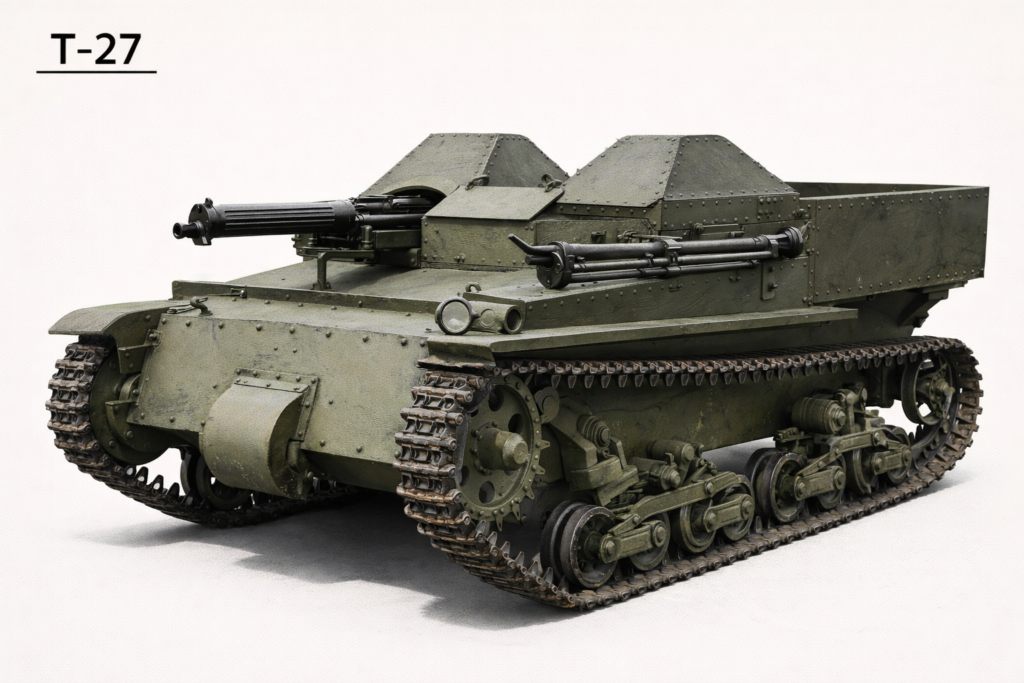
The T-27 tankette was extremely small, lightly armored, and armed only with a machine gun. It was quickly rendered obsolete but produced in large numbers.
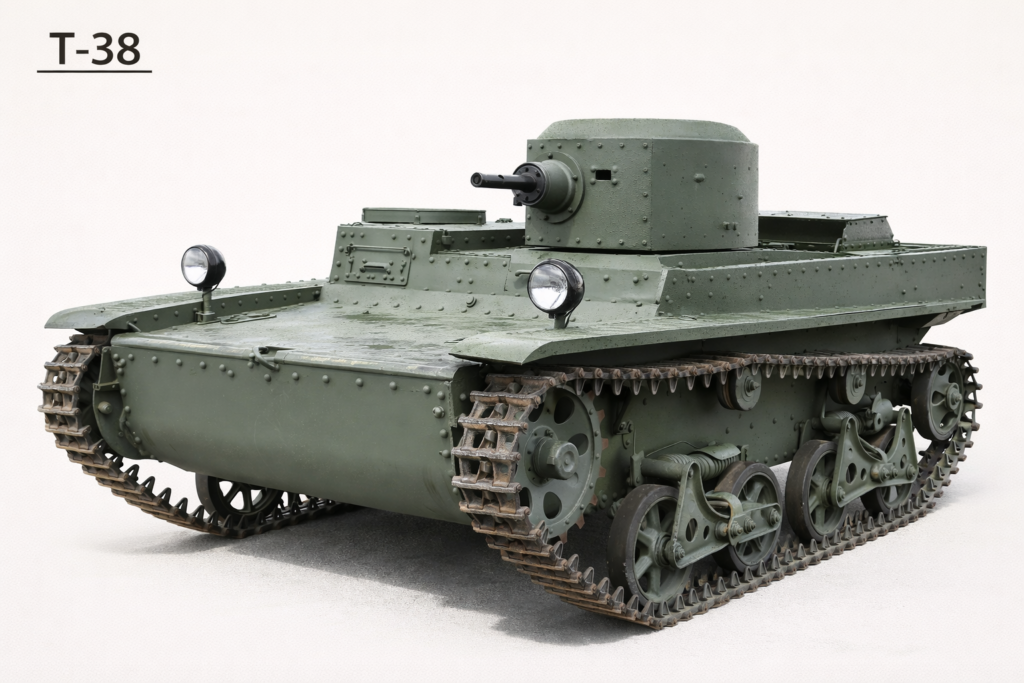
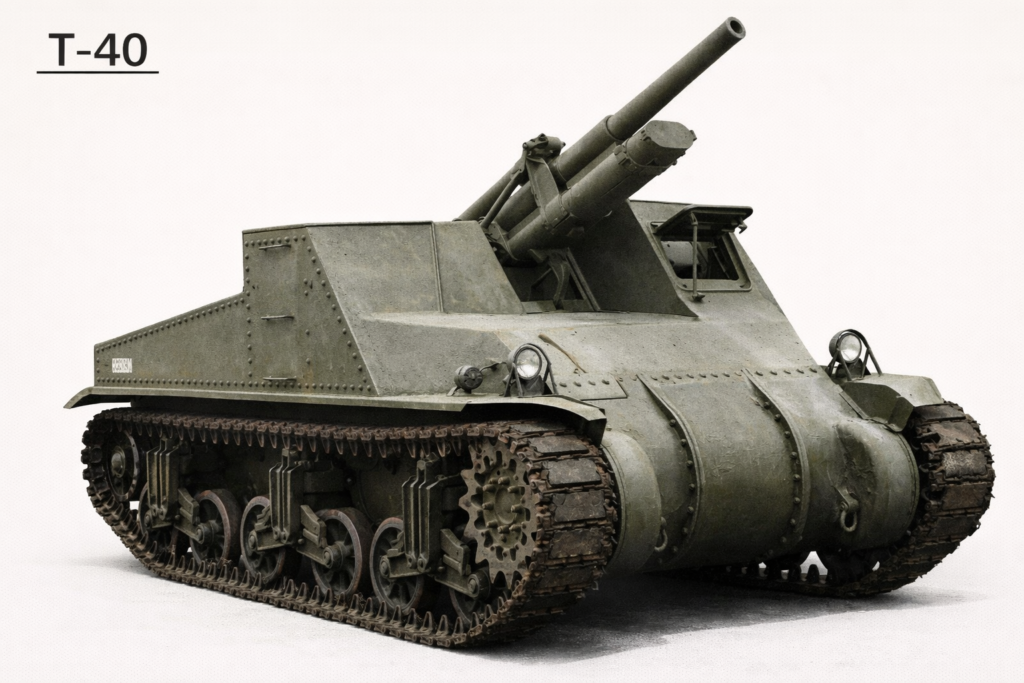
The amphibious T-38 and later T-40 were reconnaissance tanks designed to swim across rivers. They were innovative but poorly protected and vulnerable in real combat.
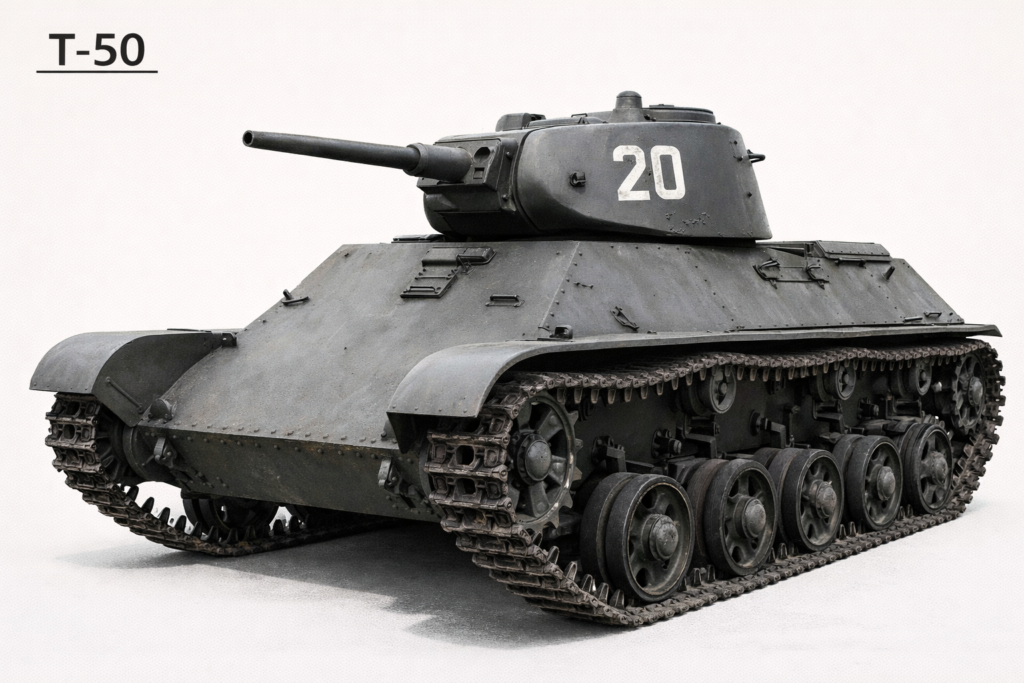
The T-50 was intended to replace older light tanks with better armor and firepower, but its complexity limited production.
Fast / Cavalry Tanks (BT Series)
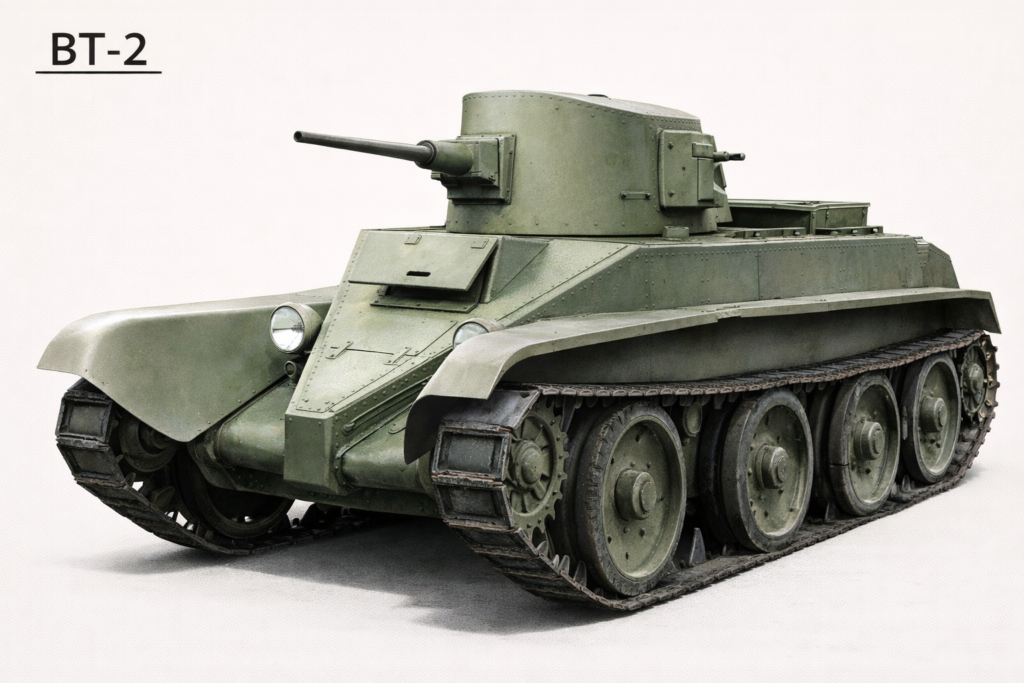
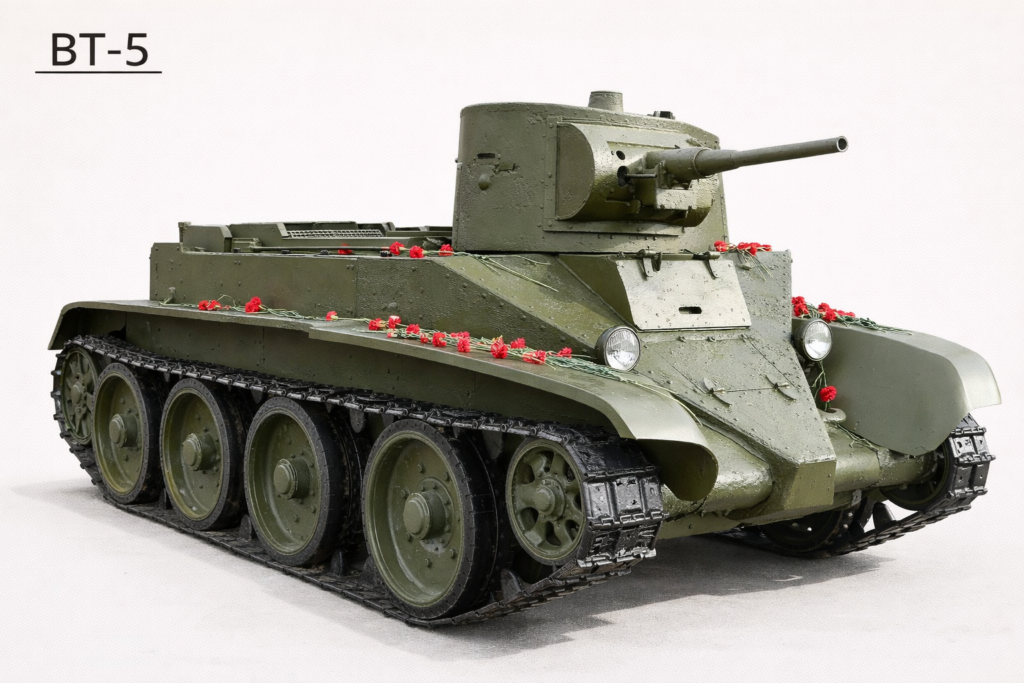
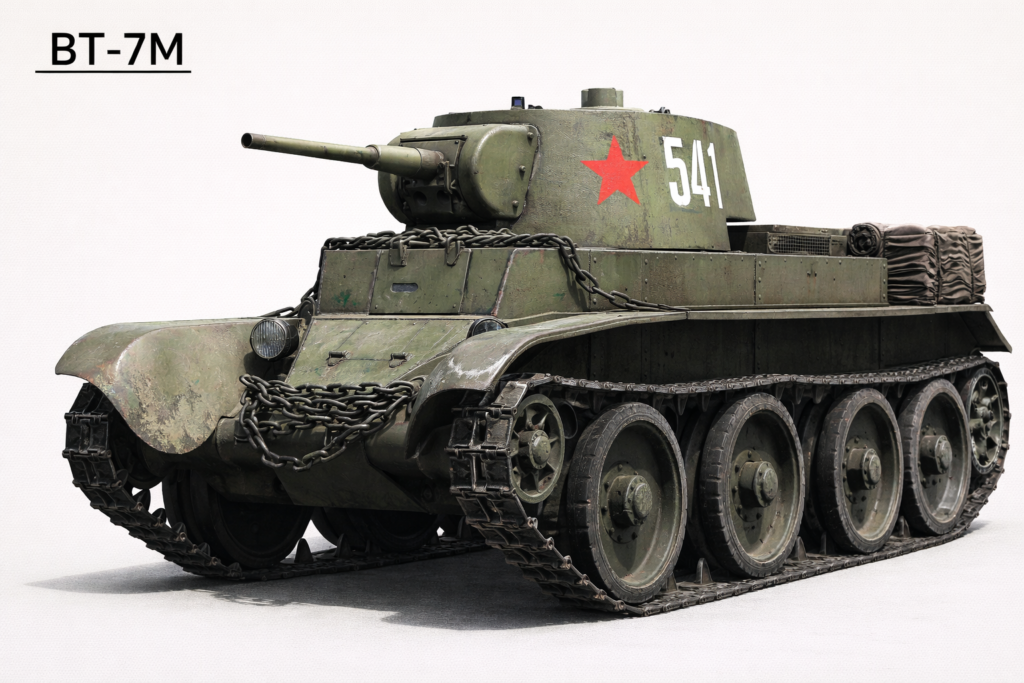
Now lets talk about the fast Russian tank. The BT-2, BT-5, and BT-7 were built for speed. These “cavalry tanks” could travel at extremely high speeds and even remove their tracks to drive on roads. The BT-7M added a diesel engine, improving range and reliability. These tanks directly influenced the later T-34.
Medium Tanks
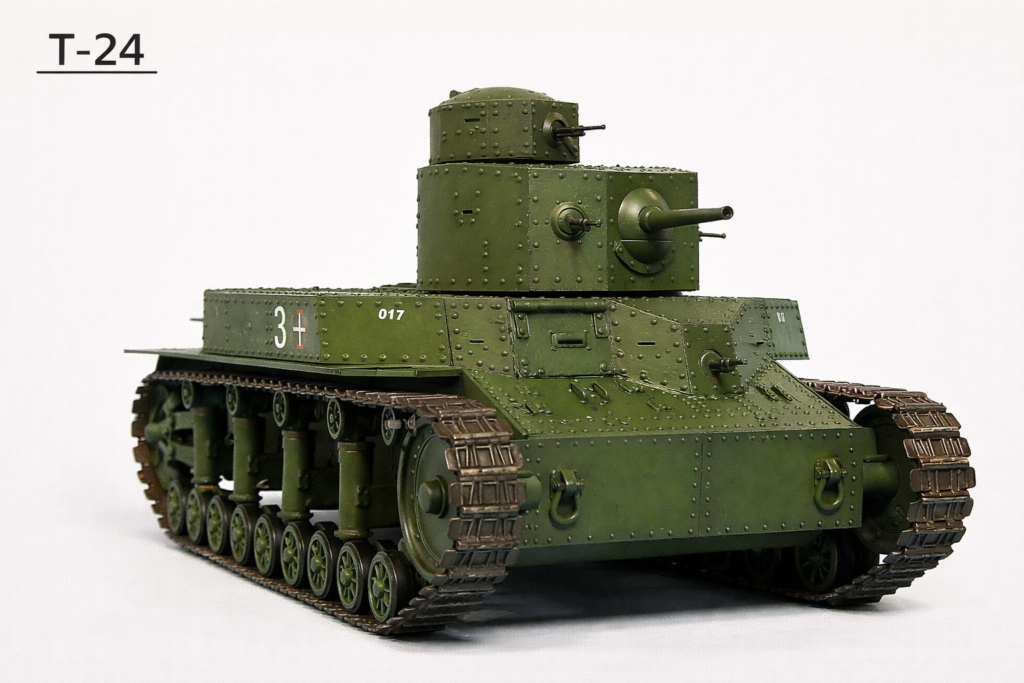
The T-24 was an early medium tank attempt that never reached full production.
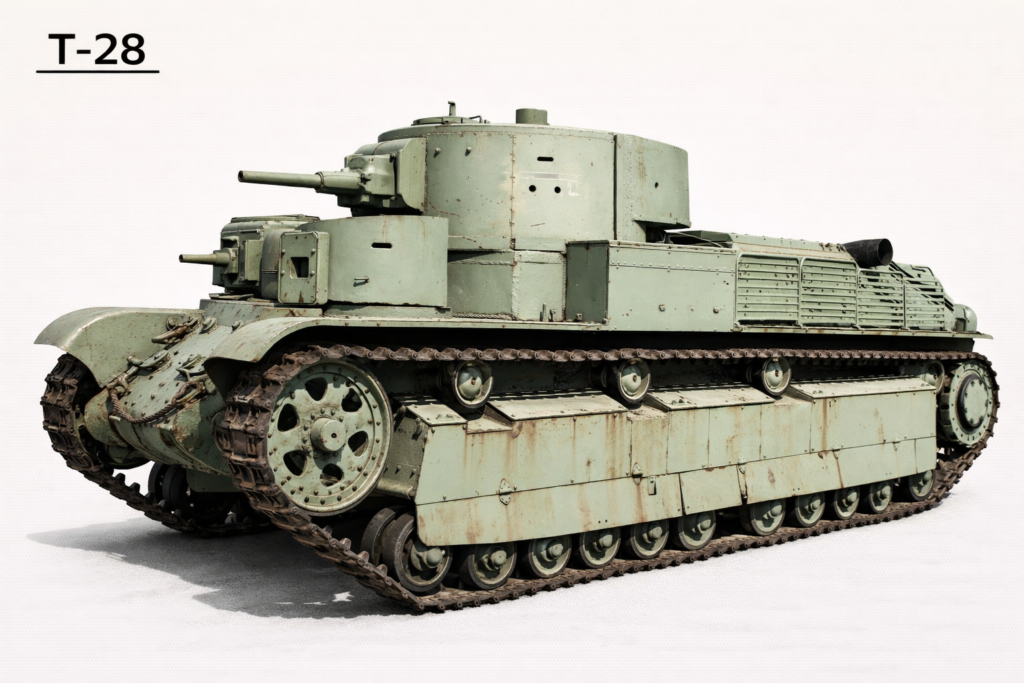
The T-28 was a multi-turret medium tank designed for breakthrough operations. Though impressive on paper, it was mechanically complex and vulnerable to modern anti-tank weapons.
Heavy Tanks
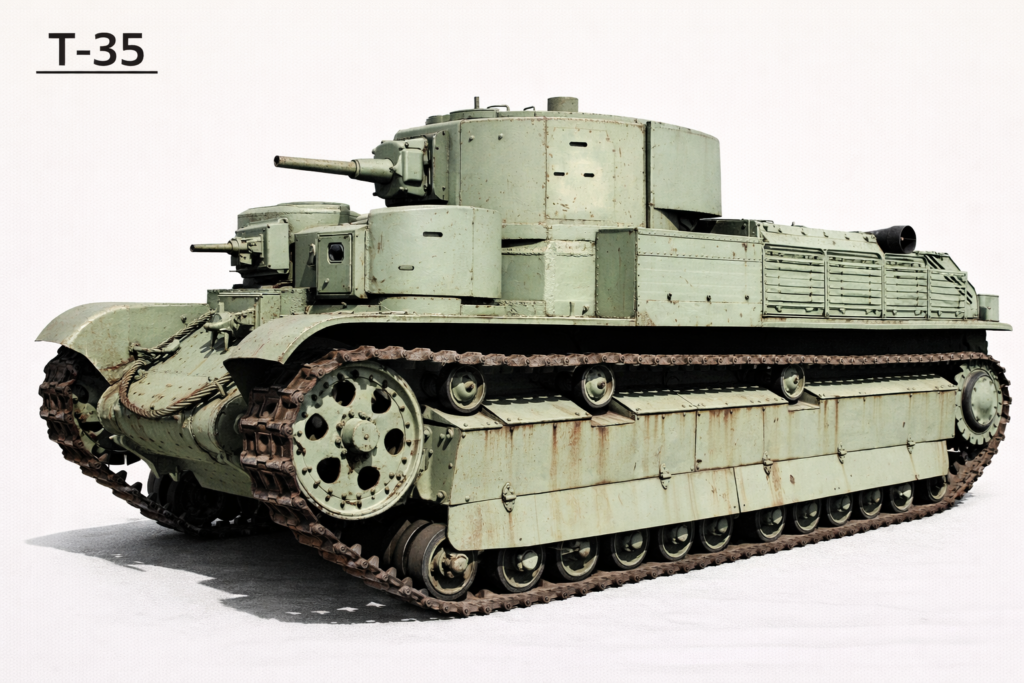
The T-35 was a massive multi-turret heavy Russian tank built more for intimidation than practicality. It was unreliable and obsolete by the time World War II began.
World War II Era (1939–1945)
World War II forced Soviet tank design into brutal efficiency. Survival, simplicity, and mass production became everything.
Light Tanks
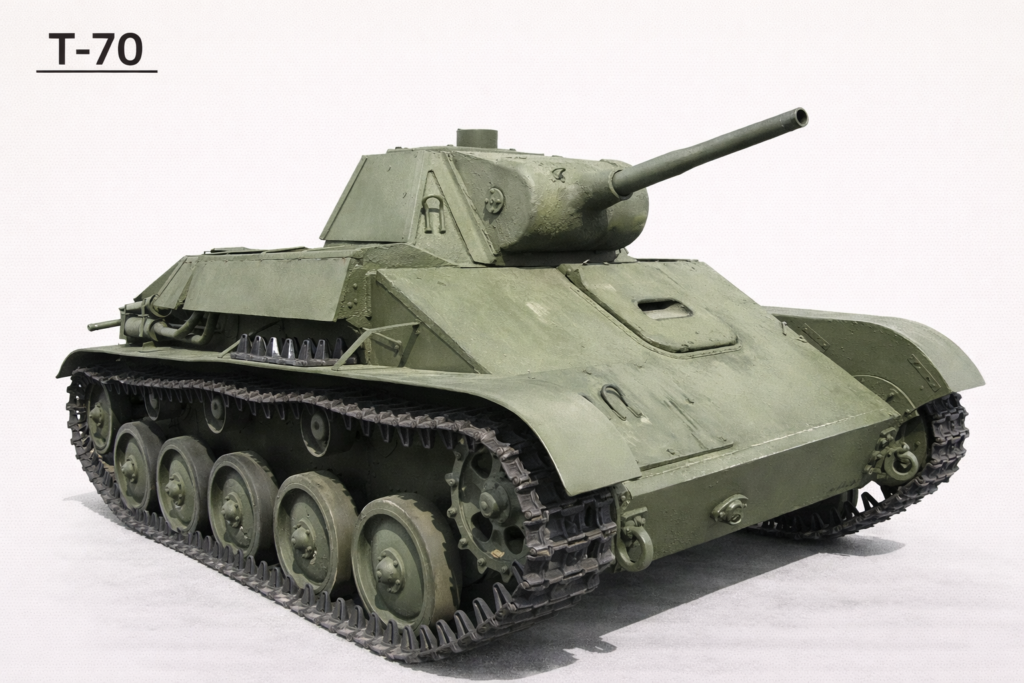
The T-30, T-60, T-70, and T-80 were emergency wartime light tanks. They were lightly armored and lightly armed, used mainly for reconnaissance and infantry support when heavier tanks were unavailable.
Medium Tanks
The T-34 became the most influential Soviet tank ever built.
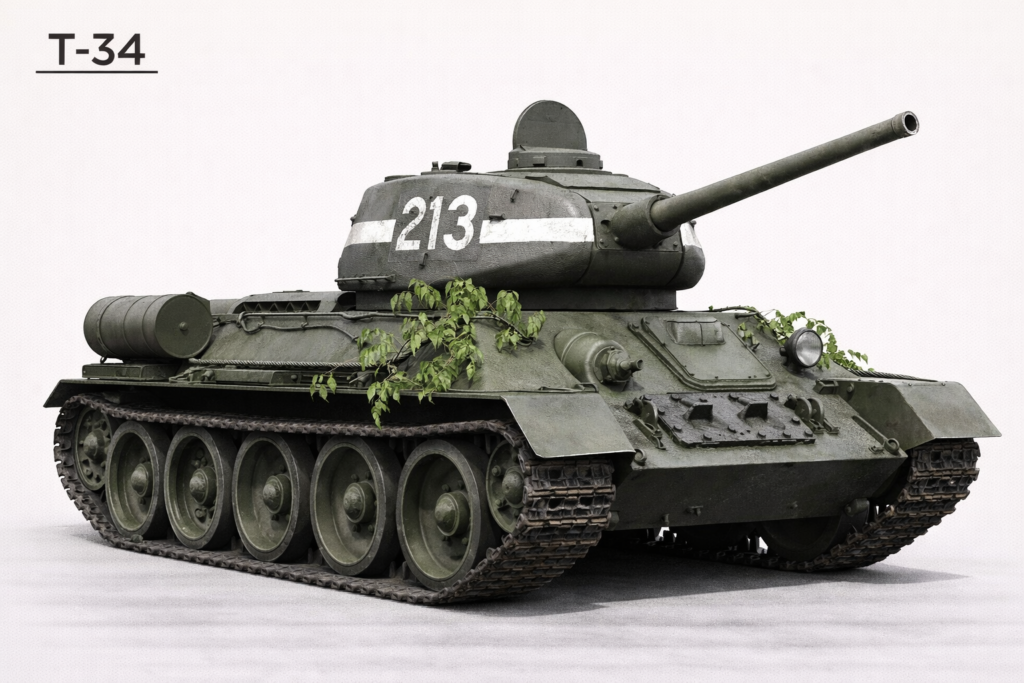
The early T-34-76 balanced armor, mobility, and firepower,
while the T-34-85 added a larger gun and better turret, allowing it to fight late-war German armor more effectively.
Heavy Tanks
The KV-1 introduced heavy armor that stunned early German forces.
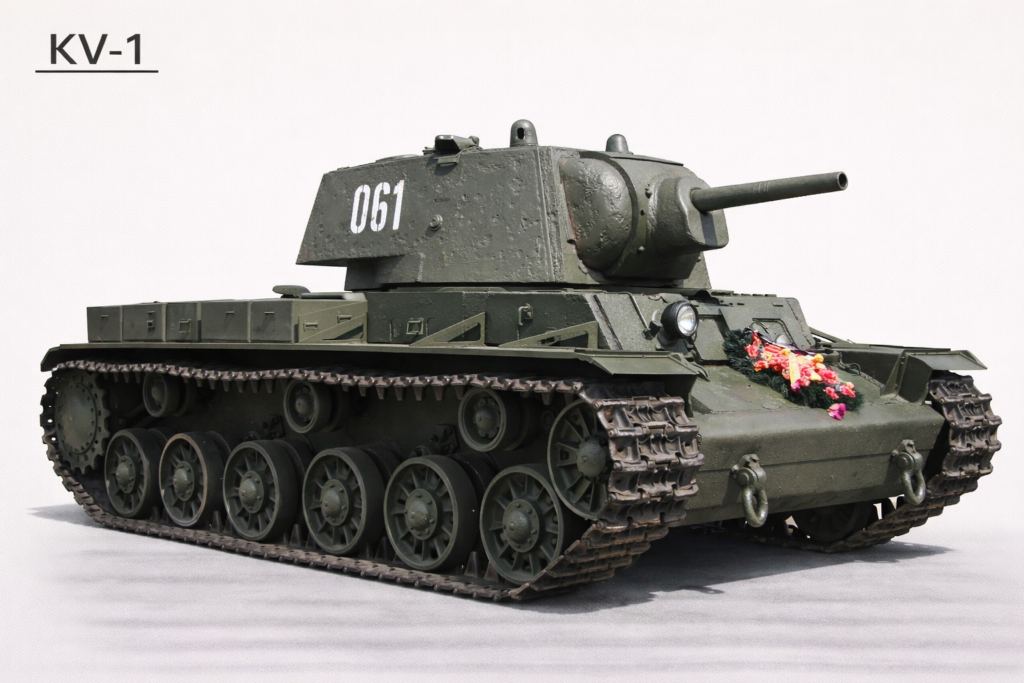
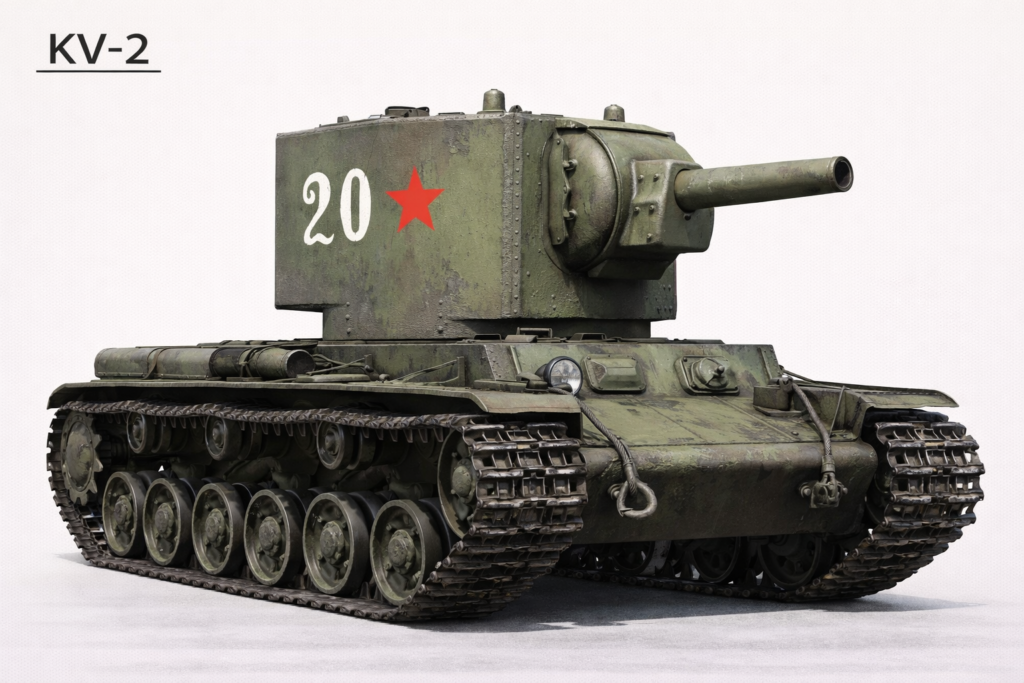
The KV-1S traded some armor for speed, while the massive KV-2 carried a huge howitzer for bunker-busting.
The KV-85 bridged the gap to the next generation of heavy Russian tanks.
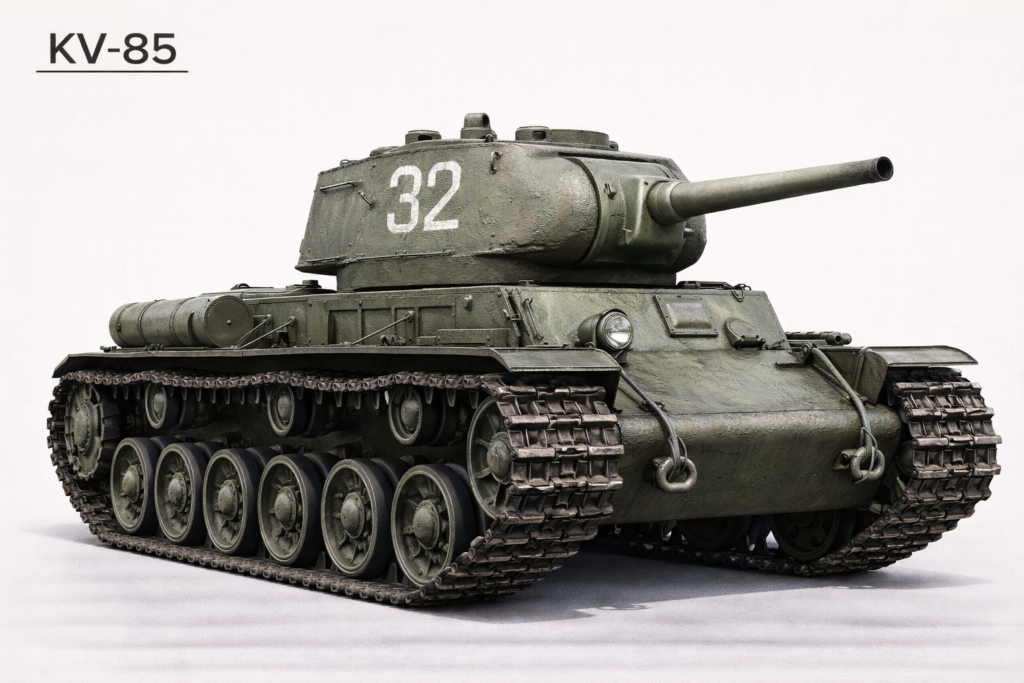
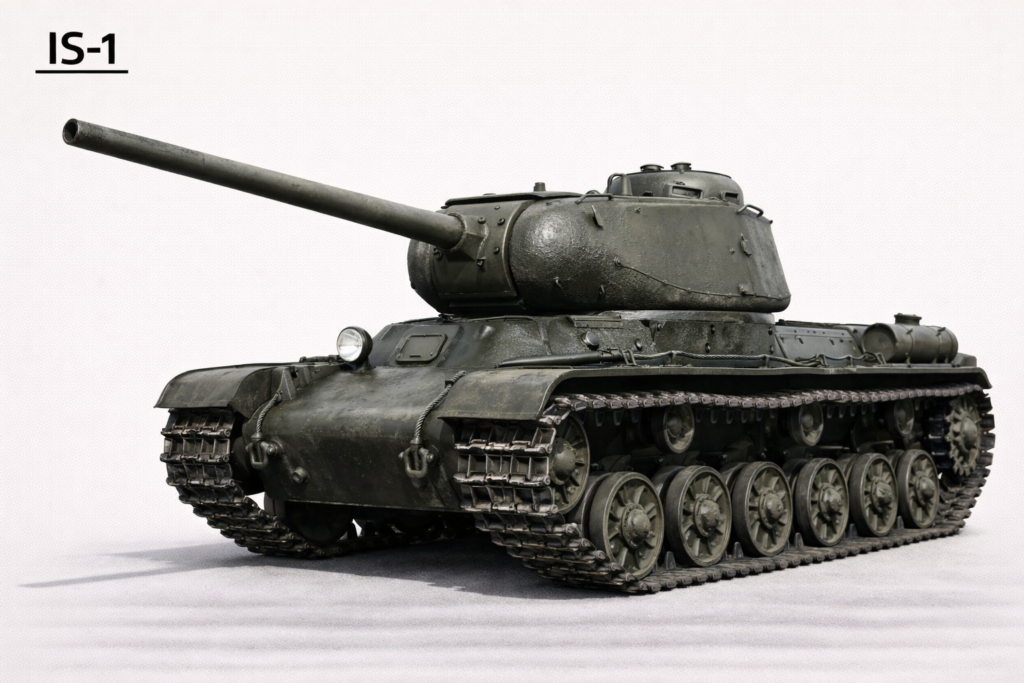
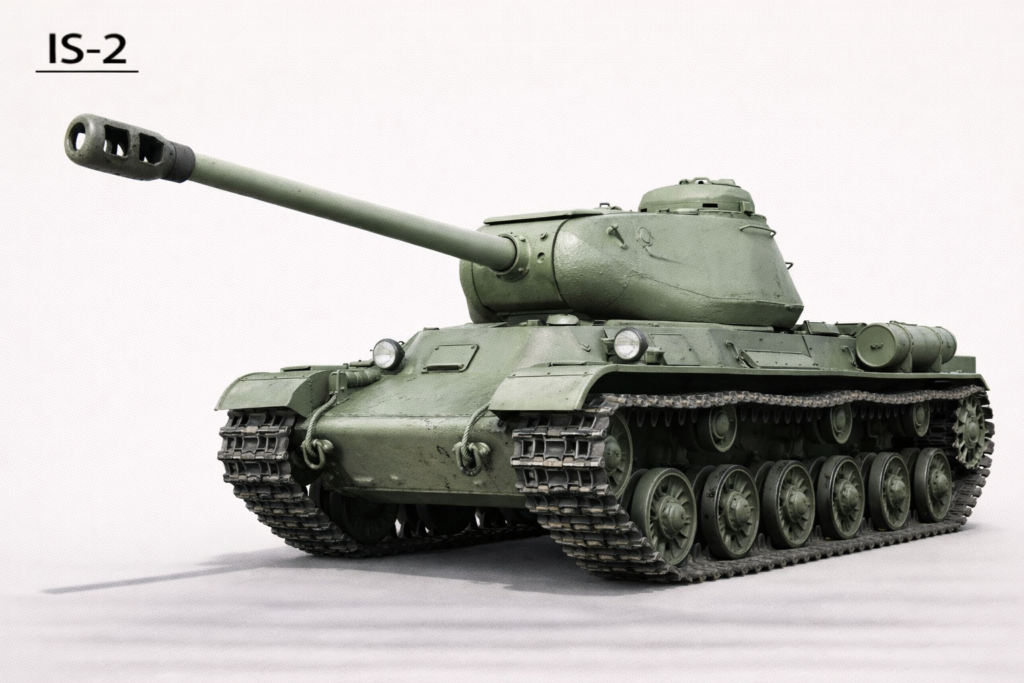
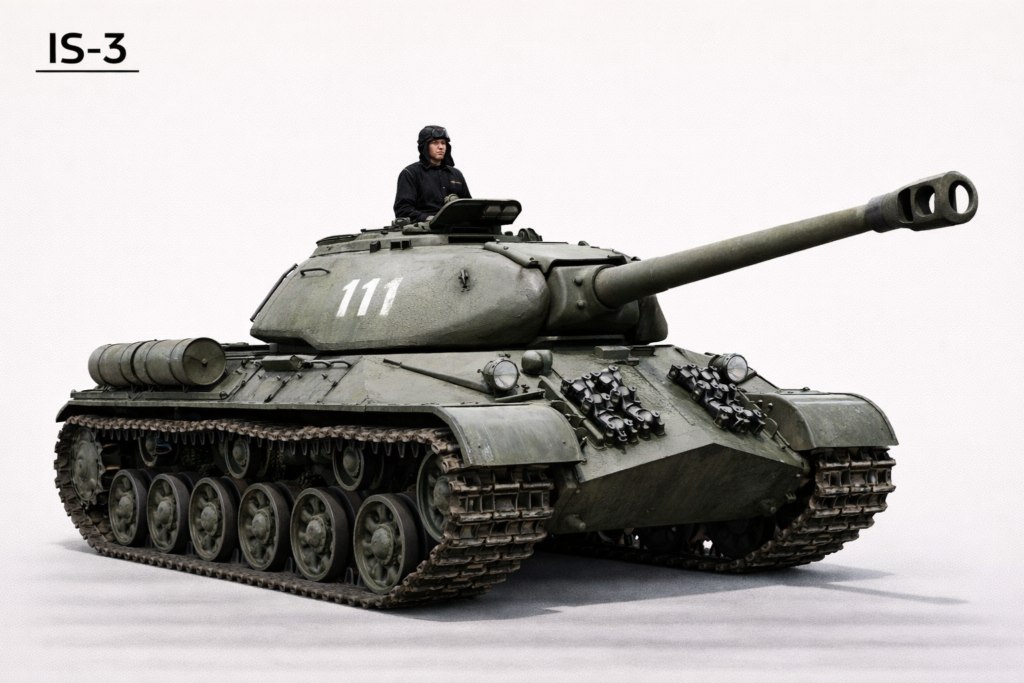
The IS series followed, starting with IS-1 and the famous IS-2, armed with a devastating 122mm gun. The IS-3 introduced a futuristic pike-nose design, while the IS-4 pushed armor thickness even further.
Flamethrower Variants
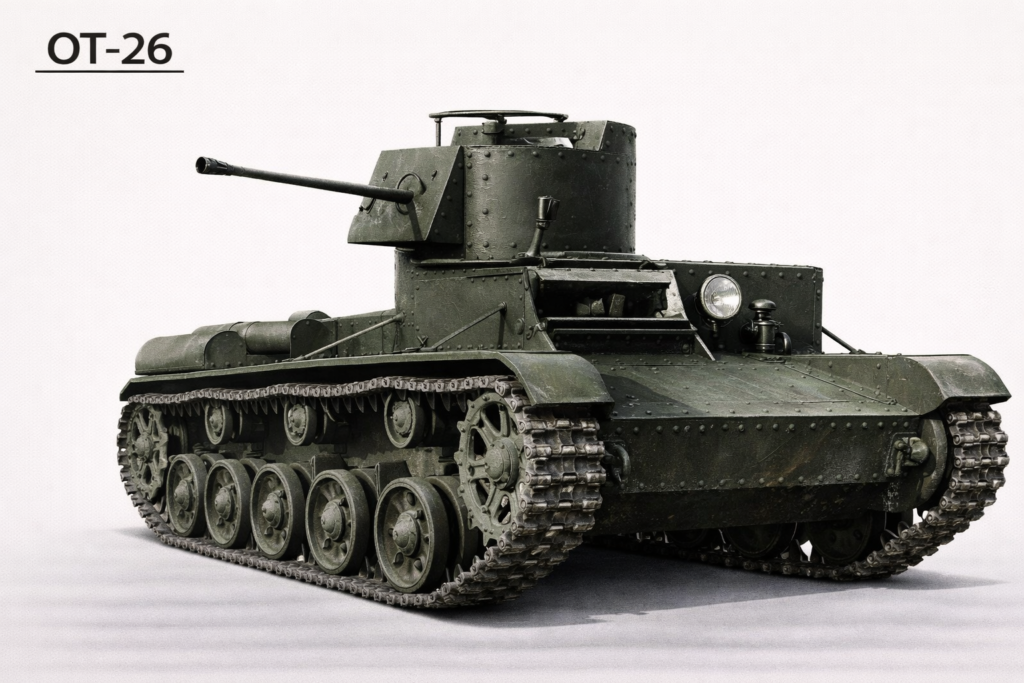
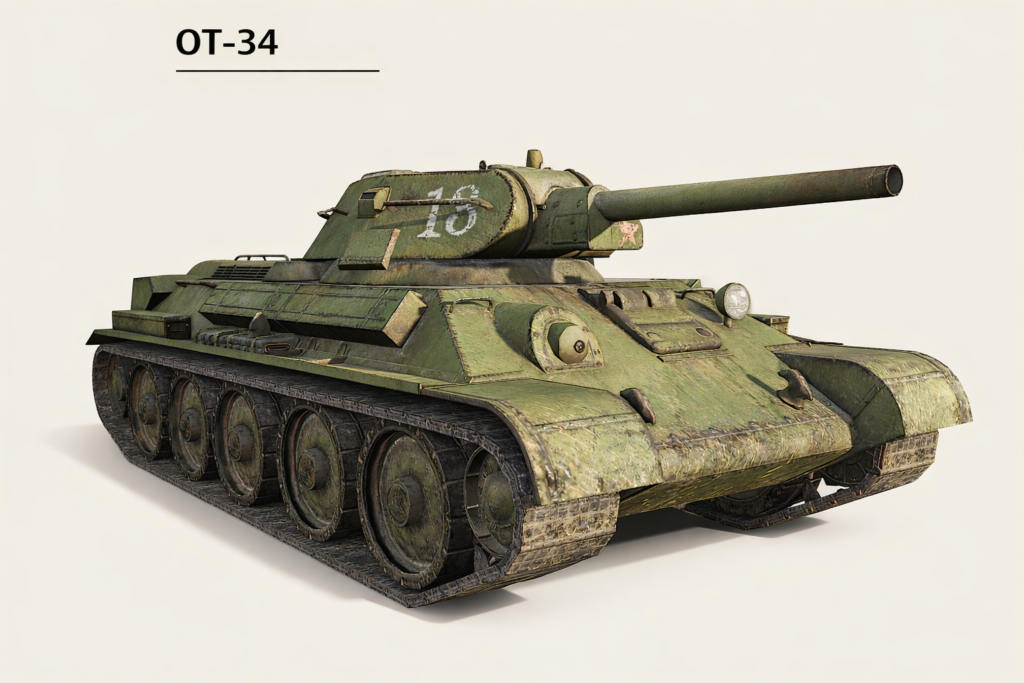
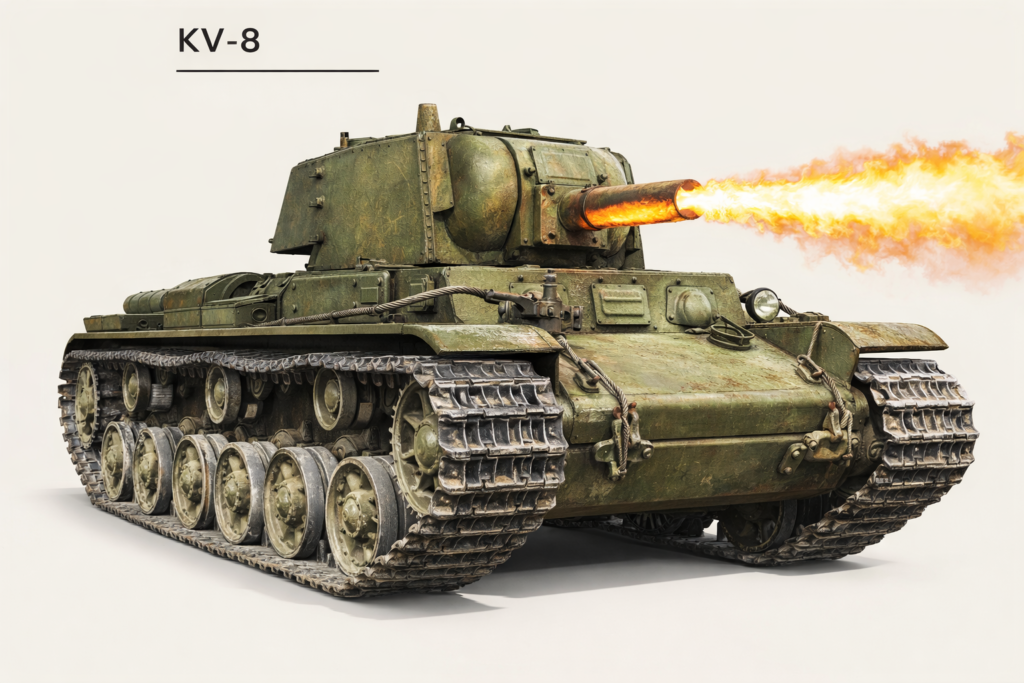
The OT-26, OT-34, and KV-8 replaced machine guns with flamethrowers, used to clear bunkers, trenches, and fortified positions with terrifying effect.
Early Cold War Era (Late 1940s–1950s)
After the war, the Soviets restructured their tank doctrine entirely.
Light Tanks
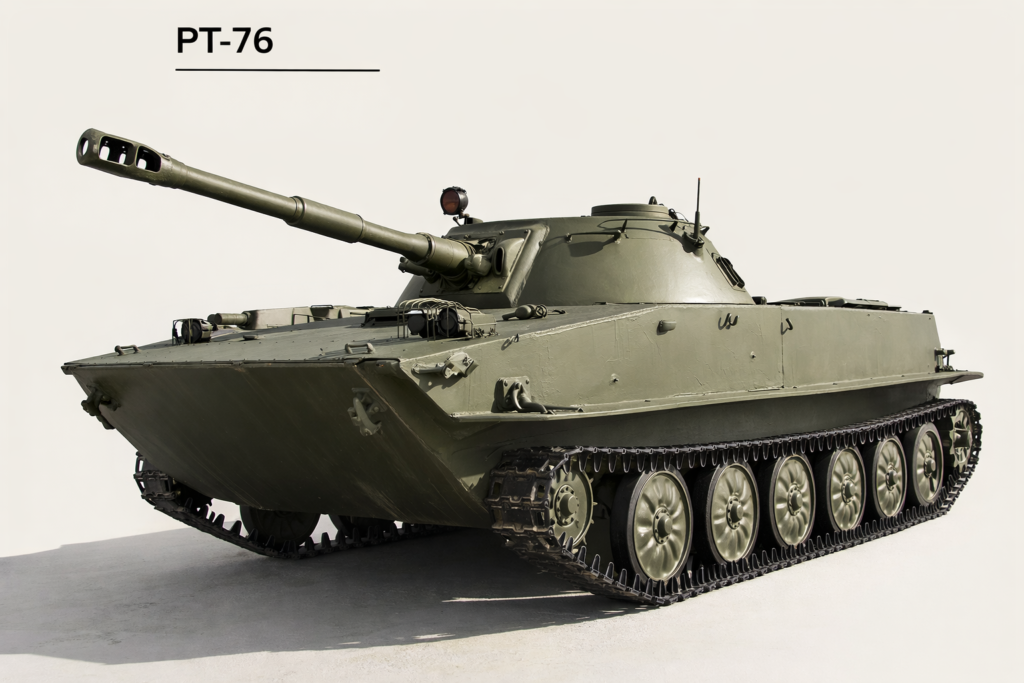
The PT-76 amphibious light tank became a key reconnaissance platform, capable of swimming across rivers and operating in marshland.
Medium Tanks
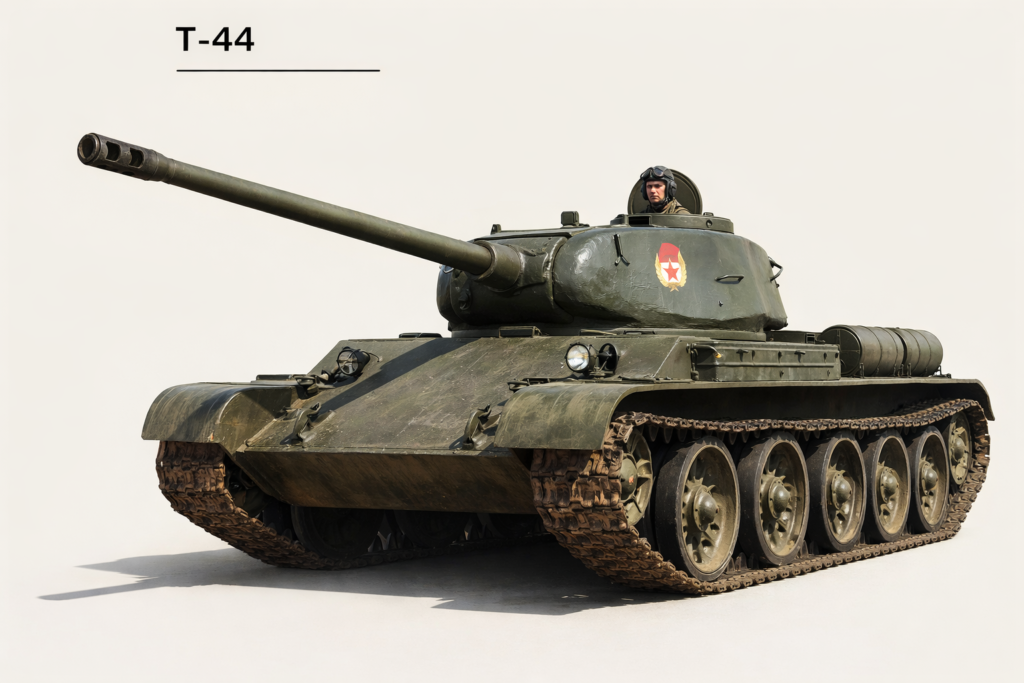
The T-44 quietly fixed many layout flaws and became the direct ancestor of postwar tanks.
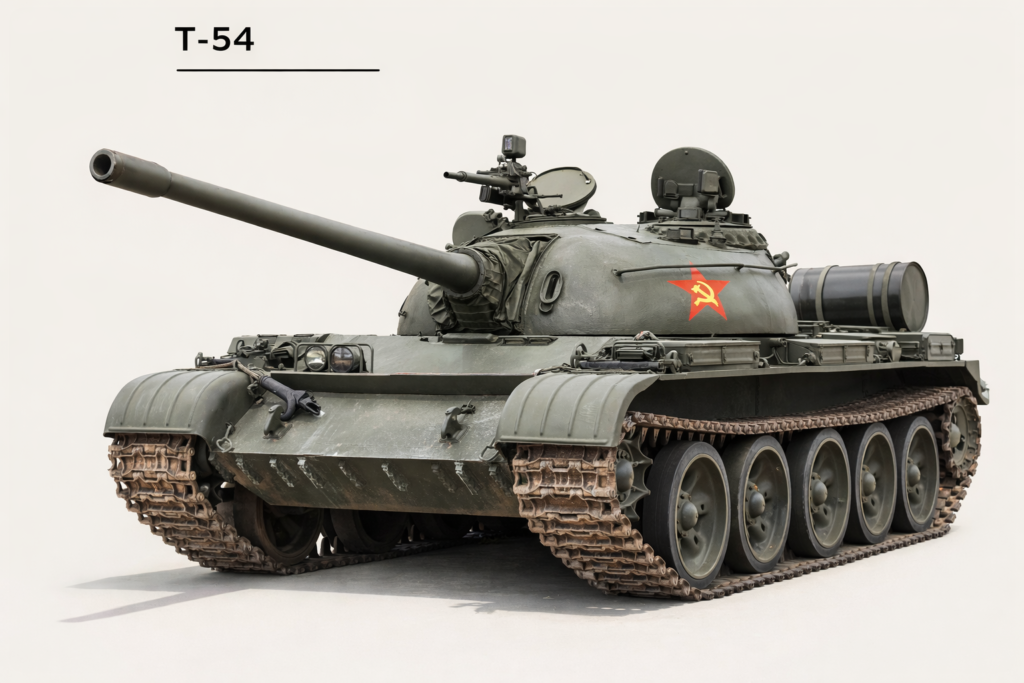
The T-54 and T-55 followed, forming the backbone of Soviet and global armored forces for decades.
Heavy Tanks
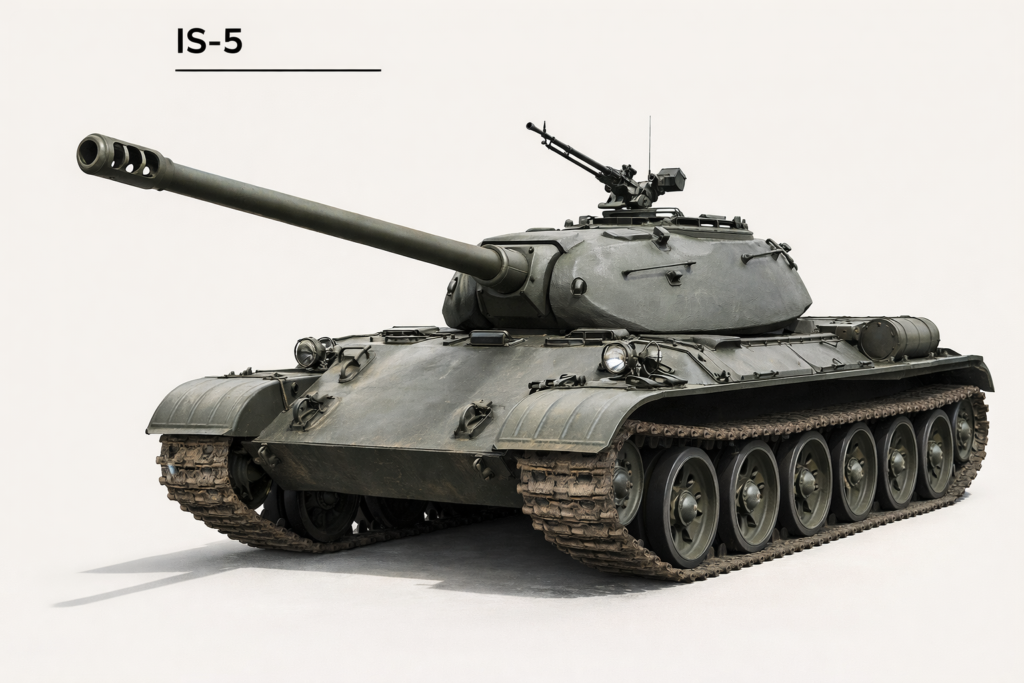
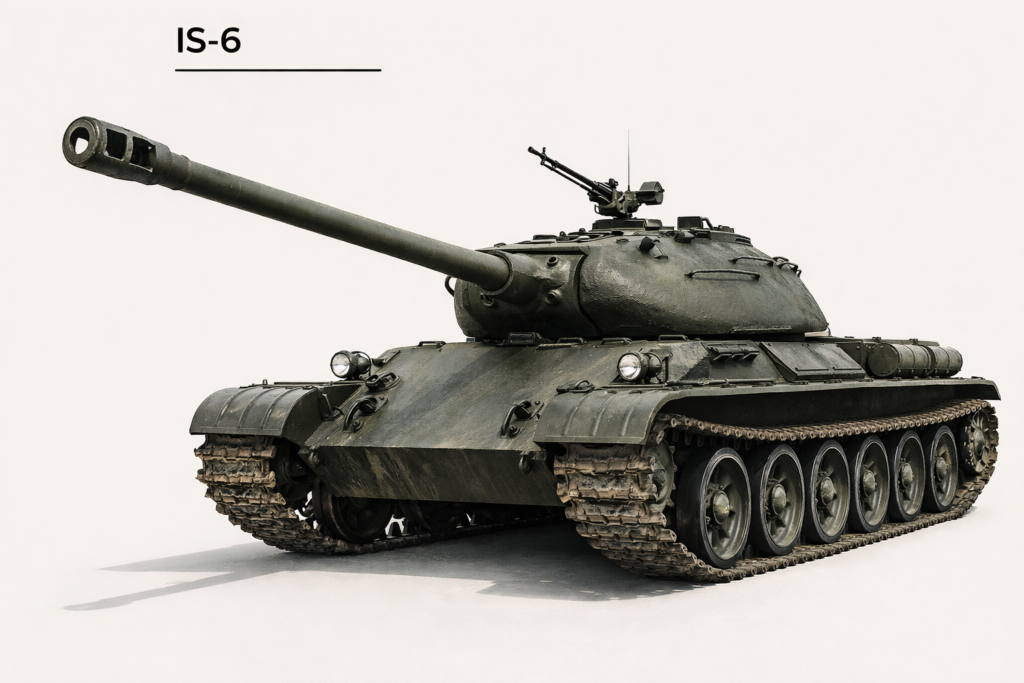
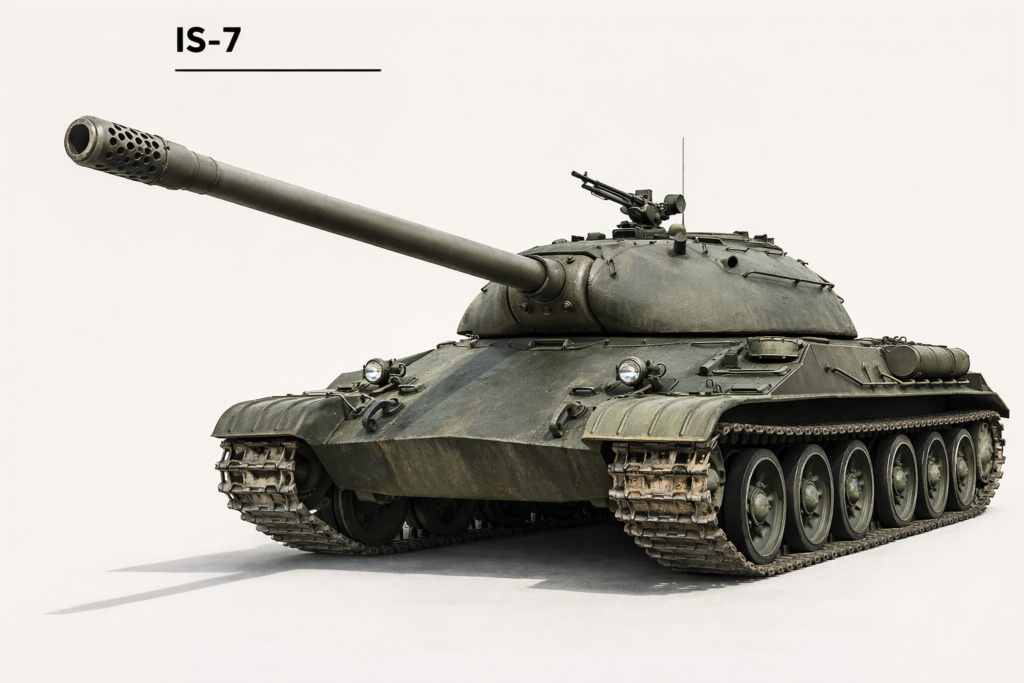
The IS-5, IS-6, and massive IS-7 were experimental heavy tanks exploring the limits of armor and firepower.
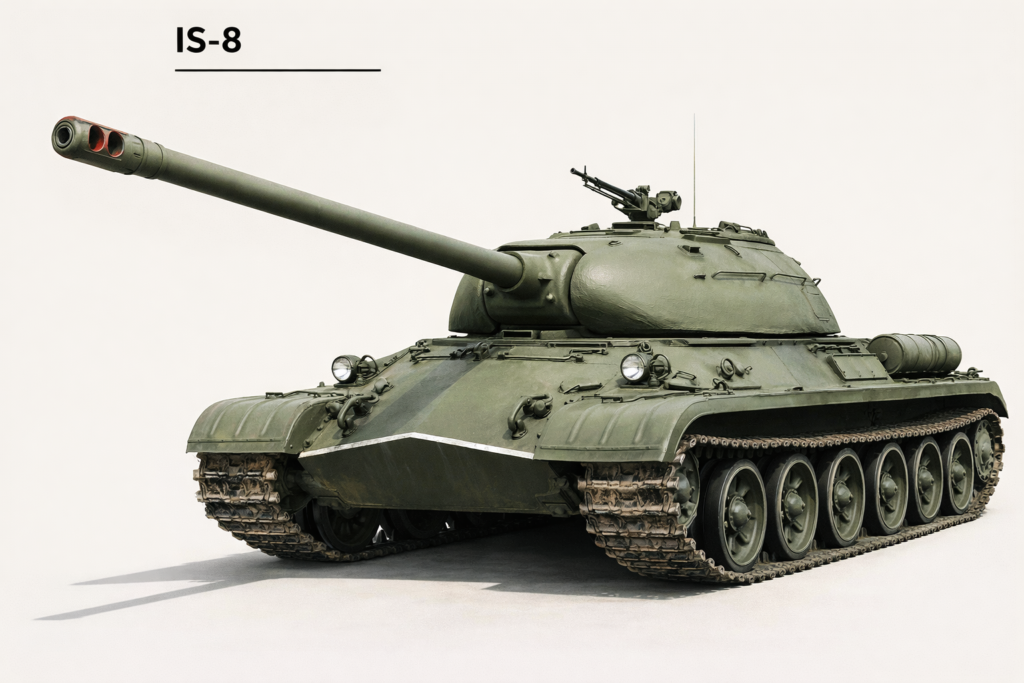
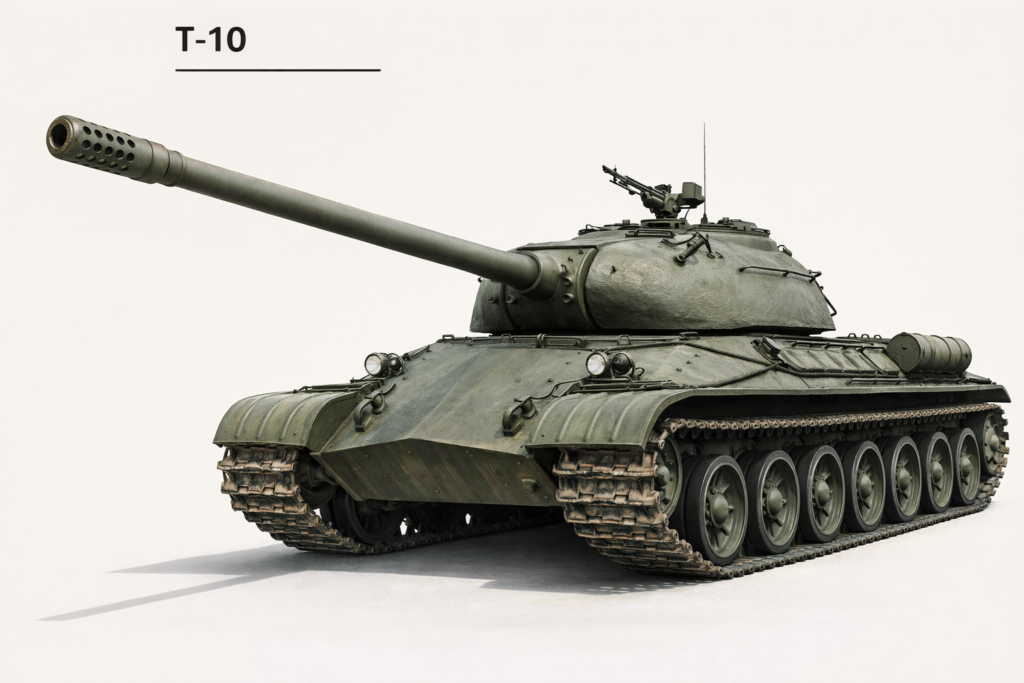
The IS-8, later known as the T-10, became the final Soviet heavy tank, with improved versions T-10A and T-10M.
Main Battle Tank Era Begins (1960s–1970s)
This era marked the shift away from separate light, medium, and heavy tanks.
First Generation MBTs
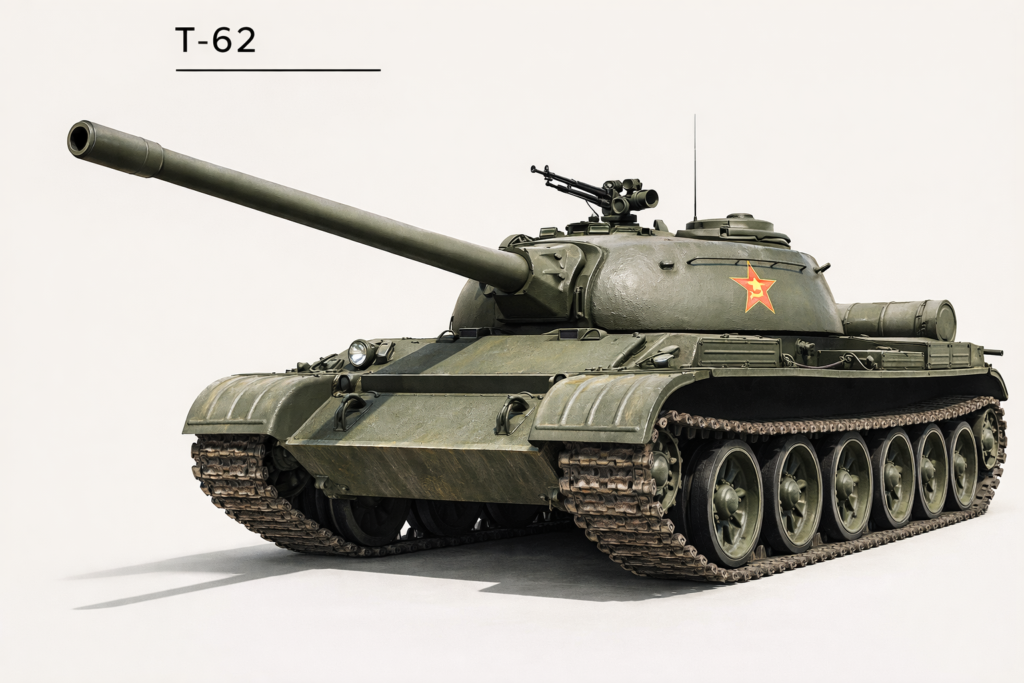
The T-62 introduced a smoothbore gun and became the standard tank of the 1960s.
Second Generation MBTs
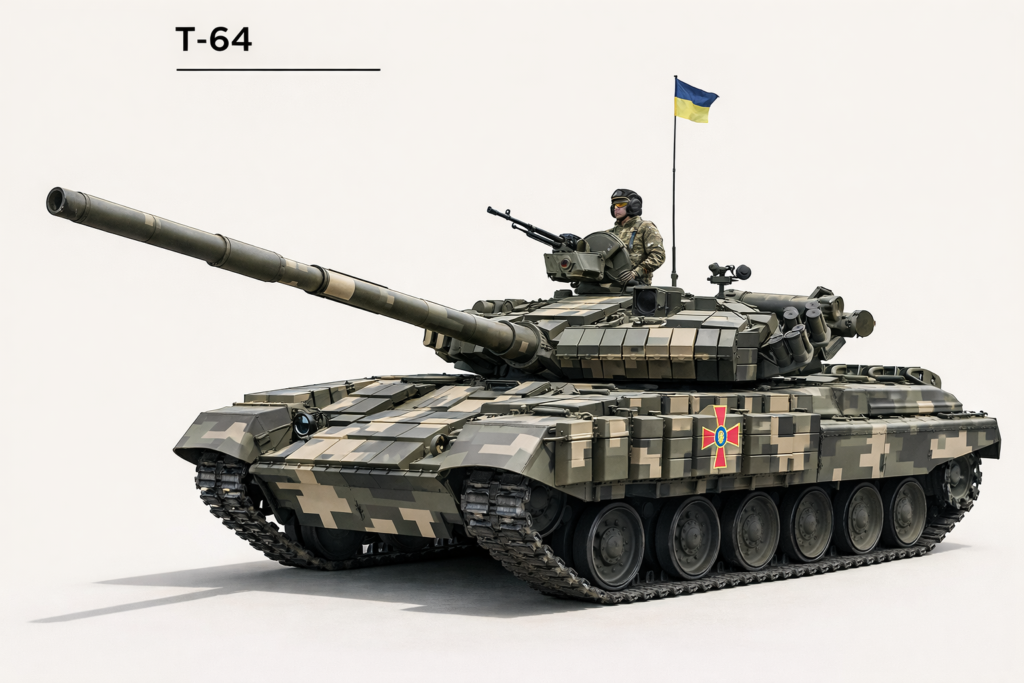
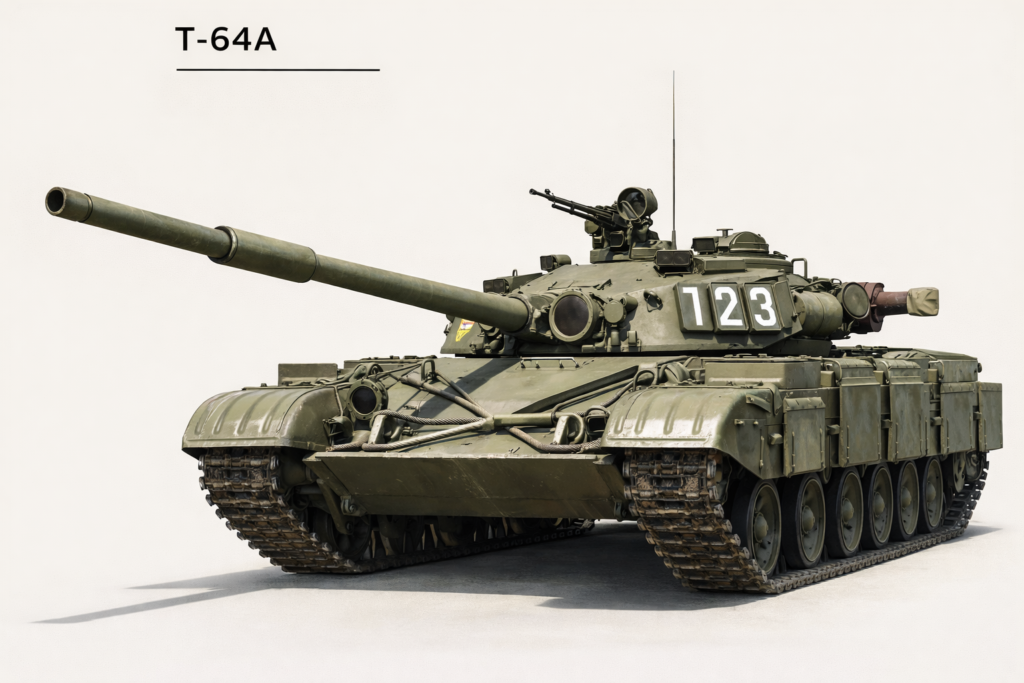
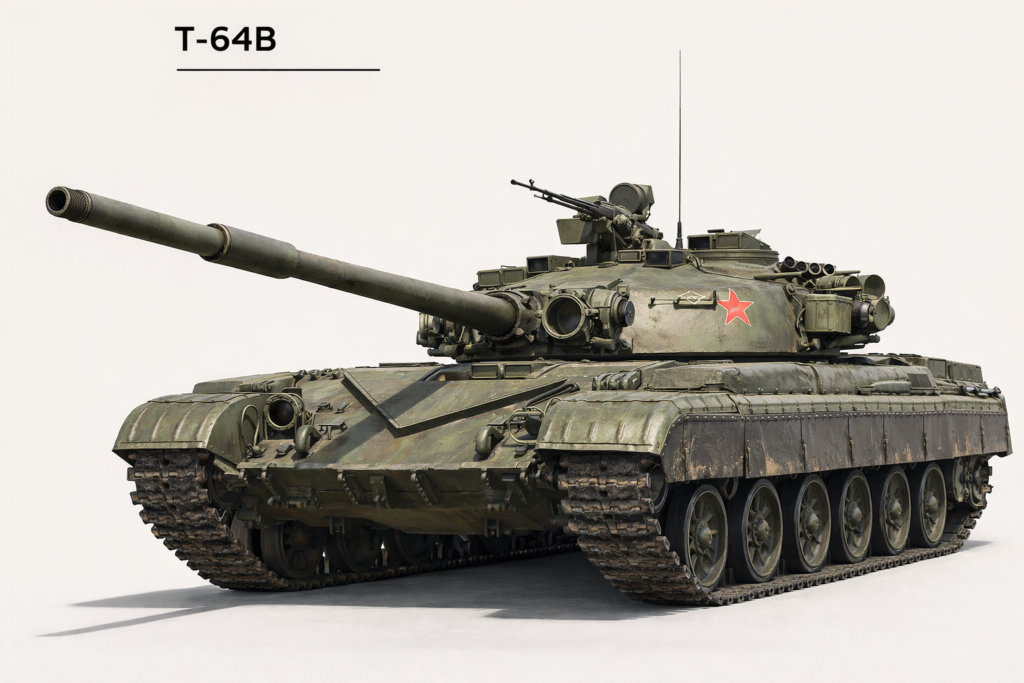
The T-64, followed by T-64A and T-64B, introduced advanced armor and autoloaders.
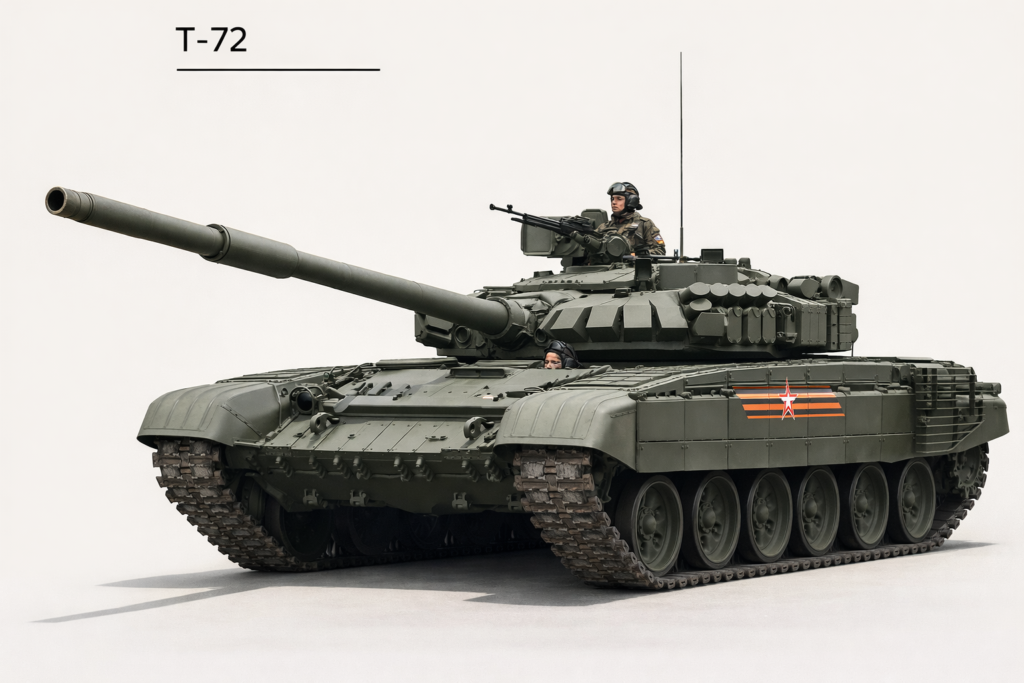
The T-72, T-72A, and T-72B simplified the concept for mass production, becoming the most widespread Soviet MBT.
Light / Amphibious
The Object 906 was an experimental amphibious tank that never entered service.
Late Cold War (1980s)
The T-80 series introduced gas turbine power. Variants like T-80B, T-80BV, T-80U, and diesel-powered T-80UD pushed speed and firepower but increased complexity.
Experimental projects like Object 187 and the Object 195 (T-95) explored next-generation protection and firepower but remained prototypes.
Post-Soviet Russia (1991–2000s)
Russia focused on upgrading existing platforms.
Modernized versions like T-72BA, T-72B3, T-72B3M, T-80BA, and T-80BVM extended the life of Cold War designs.
The T-90, T-90A, and T-90S refined the concept into a modern export-friendly MBT.
Modern Russian Federation (2010–2025)
The T-90M Proryv represents the peak of traditional Russian tank evolution, with upgraded armor, sensors, and fire control.
The T-14 Armata marks a complete design shift, emphasizing crew survivability, automation, and modular armor on a new platform.
The Armata family also represents a unified armored system concept rather than a single tank.
Modern Light / Airborne Tanks
The Sprut-SD (2S25) and Sprut-SDM1 are lightweight, air-deployable tanks carrying full-size tank guns, designed for rapid reaction forces.